
Our Services
Popular and in-demand

Asthma Digital Clinic
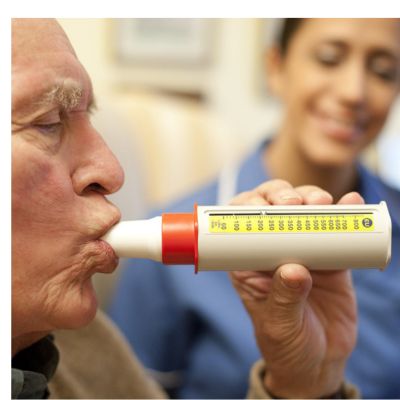
Asthma Chekup -PEFR Test
Asthma LM Potencies
More Services

Ear-Auriculotherapy

Diet For Asdthma

Asthma Club

Yogic Sathakarma for Asthma

Pulmonary Rehabilitation
Call For Bookings and Appointments
Frequently Asked Questions in Asthma Care & Rehabilitation Cure
1. What is asthma and why does it occur?
Asthma is a chronic inflammatory condition of the airways characterised by hyper-responsiveness, mucus overproduction, and recurrent breathing difficulty. It often results from genetic predisposition, allergies, environmental triggers, and immune imbalance.
2. Can asthma be completely cured?
Asthma can be significantly controlled and reversed in many individuals through structured rehabilitation, lifestyle modification, trigger avoidance, and personalised medical care. Complete cure may not be universal, but long-term remission is achievable.
3. What is Asthma Rehabilitation?
Asthma Rehabilitation is a multi-disciplinary programme combining breathing training, pulmonary exercises, diet modification, digital monitoring, trigger management, and personalised medication support.
4. How does pulmonary rehabilitation help asthma patients?
It enhances lung capacity, reduces breathlessness, improves airway mechanics, increases endurance, and lowers the risk of future exacerbations.
5. What role does diet play in asthma care?
An anti-inflammatory and antioxidant-rich diet helps reduce airway inflammation, strengthen immunity, and minimise flare-ups.
6. What are the benefits of using LM Potencies in asthma?
LM Potencies offer gentle, precise, rapid-acting control with minimal aggravation, making them suitable for long-term asthma regulation.
7. Are digital asthma clinics effective?
Yes. Digital clinics provide continuous monitoring, personalised treatment, medication reminders, teleconsultations, and early detection of worsening symptoms.
8. Can asthma patients exercise safely?
Yes. Guided breathing routines, yoga, pulmonary exercises, and graded aerobic activities improve overall lung health and are safe when supervised.
9. How does Yogic Satkarma help asthma patients?
Specific cleansing techniques help remove mucus, improve airway purity, balance the autonomic system, and support natural respiration.
10. Is auriculotherapy effective in asthma management?
Ear acupuncture and press needles can support lung meridians, reduce congestion, and complement mainstream treatment.
11. What triggers should asthma patients avoid?
Common triggers include dust, smoke, pollution, cold air, strong odours, allergens, emotional stress, and respiratory infections.
12. How often should an asthma patient undergo follow-up?
Regular monthly or bi-monthly follow-ups are recommended, especially for moderate to severe cases.
13. Is asthma hereditary?
A family history of asthma, allergies, or atopy increases the risk, though environment and lifestyle are equally important.
14. What emergency signs should patients watch for?
Severe breathlessness, inability to speak full sentences, blue lips, rapid worsening of symptoms, or poor response to relievers require urgent medical care.
15. Can children outgrow asthma?
Some children experience remission, but many require ongoing monitoring to prevent relapse in adulthood.
16. Is long-term medication safe?
Yes. Modern asthma medications are safe, effective, and essential for preventing airway damage when used under medical guidance.
17. How does psychological wellbeing affect asthma?
Stress and anxiety can trigger bronchospasm. Relaxation techniques, counselling, and lifestyle balance support better outcomes.
18. Can homeopathy, yoga, and lifestyle therapy complement modern asthma care?
When integrated properly, these therapies enhance control, reduce dependence on relievers, and improve overall quality of life.
19. How can patients monitor asthma at home?
Peak flow meters, symptom diaries, digital apps, and pulse oximeters support day-to-day tracking.
20. What is the goal of complete asthma rehabilitation?
To achieve symptom-free daily life, enhanced lung function, reduced attacks, and long-term stability.